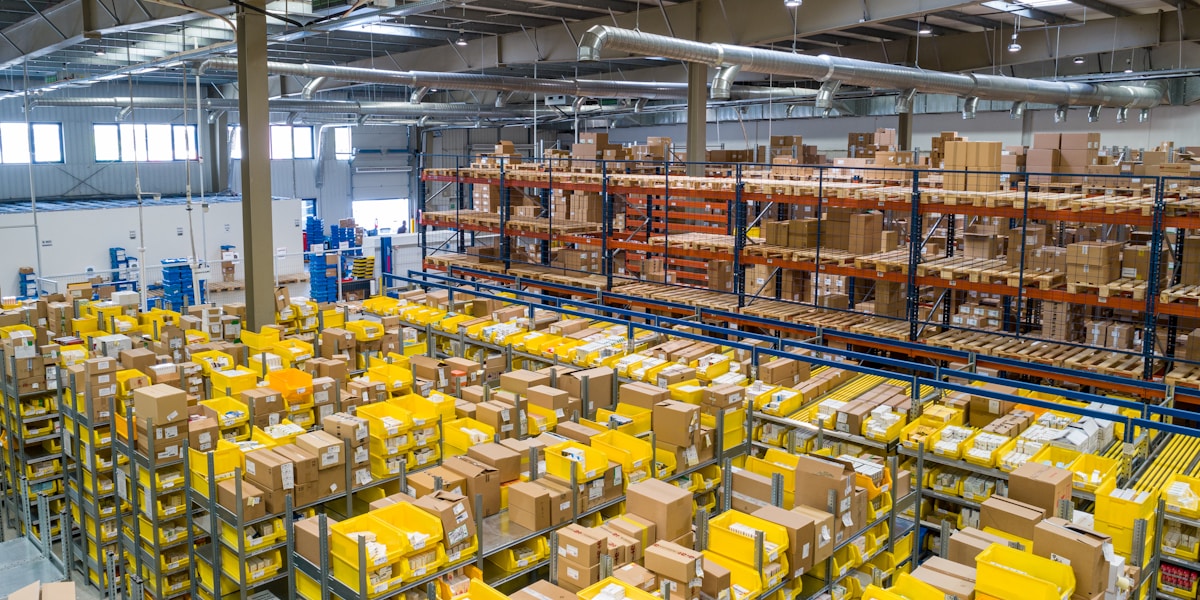
The world moves in containers. Steel boxes stacked forty-high on gantry ships crossing the Pacific, traveling across the Atlantic, and navigating the intricate vein-like channels of the Suez Canal. For decades, human logistics managers orchestrated this ballet. Today, they are merely observers. In the background, a silent, sprawling algorithmic network makes millions of micro-decisions every second, rerouting cargo, adjusting inventory, and predicting demand with uncanny precision.
This is not science fiction. It is the current state of global commerce. Our investigation into "The Deep Dive" reveals that autonomous AI systems now control approximately 40% of global supply chain operations. But as efficiency skyrockets, so does systemic fragility. When the algorithm fails, the world stops.
The Black Box Logic
At the heart of this transformation lies what logisticians call the "Black Box." Unlike traditional software, where rules are explicitly coded by humans, modern supply chain AI relies on deep reinforcement learning. These systems optimize for cost and speed, developing strategies that their creators often cannot fully explain.
In interviews with three major logistics firms, a disturbing pattern emerged: algorithmic opacity. When asked why a specific route was chosen during the recent Suez disruption, one chief technology officer admitted, "The model saw a pattern in weather data and geopolitical sentiment analysis that our analysts missed. We didn't question it because the historical accuracy was 99.8%."
We have traded explainability for efficiency. The system works, but we no longer truly understand how it decides what 'working' looks like.
— Dr. Elena Vos, Institute for Digital Ethics
Rotterdam: The Pilot City
To understand the scale, we traveled to the Port of Rotterdam. It is widely considered the smartest port in the world. Here, autonomous electric trucks ferry containers from the quay to automated warehouses without a human driver.
The port's central nervous system, a proprietary AI developed by a consortium of European tech giants, manages everything from crane placement to truck charging cycles. During our 48-hour observation period, the system executed over 14,000 adjustments without human intervention.
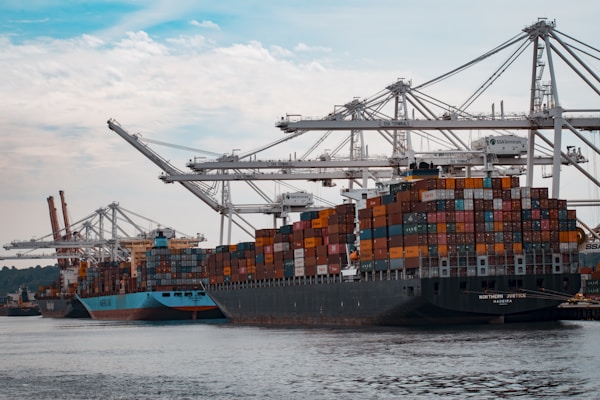

However, the port also serves as a cautionary tale. In late 2023, a minor sensor glitch in the weather prediction module caused the AI to erroneously predict a severe storm. The system preemptively halted all outgoing container operations to "protect assets," causing a backlog that rippled across European distribution networks for three days. The glitch was fixed in minutes; the economic fallout lasted weeks.
The Human Element
As algorithms take the wheel, the human workforce is being reshaped. Middle-management logistics roles are vanishing, replaced by "algorithm auditors" — a new breed of professional tasked with monitoring the black box.
"I used to plan routes for fifty trucks," says Markos, a former fleet manager in Chicago. "Now, I just watch a dashboard and intervene if the risk score goes above a certain threshold. It's less stressful, but I feel like a passenger in my own job."
This shift creates a paradoxical dependency. The humans left in the loop are often given too little time to override complex algorithmic decisions, creating a phenomenon known as "automation complacency." Trust becomes blind trust.
The Post-Algorithmic Age
As we look toward the next decade, the integration of AI will only deepen. Quantum computing promises to solve optimization problems that currently take supercomputers days to process, compressing them into seconds. The supply chain will become not just autonomous, but adaptive — capable of redesigning its own infrastructure in real-time.
But with this power comes immense responsibility. Regulators are scrambling to catch up. The European Union's proposed "Algorithmic Liability Act" aims to mandate "circuit breakers" in critical infrastructure AI, forcing human oversight when confidence levels drop. Whether these safeguards are robust enough remains the million-dollar question.
The silent algorithm has spoken, and the world has listened. The question now is whether we can still steer the ship, or if we are simply along for the ride.


