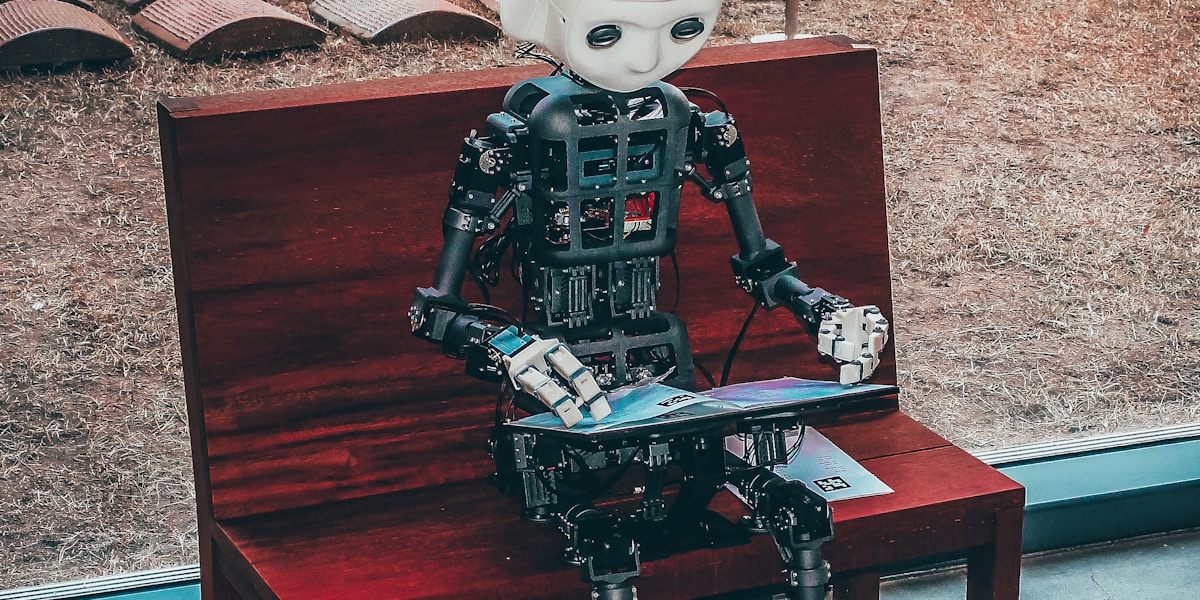
The creative landscape is undergoing a seismic shift. Generative AI, machine learning algorithms, and automated design systems are no longer futuristic concepts—they are active participants in how brands are conceived, built, and scaled. At Artisan Studio, we've watched this evolution closely, and we believe the future of brand identity isn't about machines replacing humans. It's about human intention amplified by intelligent tools.
From Static Logos to Dynamic Identity Systems
Traditionally, a brand identity was a finite package: a logo, a color palette, typography guidelines, and perhaps a few marketing templates. Today, audiences expect fluid, context-aware experiences. AI enables brands to adapt their visual language in real-time based on environment, user behavior, and cultural context.
Imagine a brand whose color temperature shifts subtly to match regional lighting conditions, or a typographic system that adjusts weight and spacing based on screen size and accessibility needs—all governed by intelligent design rules rather than rigid manual overrides. This isn't science fiction; it's the emerging standard for next-generation brand systems.
"AI doesn't create culture. It reflects it. The brands that thrive will be those that use AI to amplify human insight, not replace it."
How AI is Currently Transforming Brand Workflows
- Rapid Prototyping: What once took weeks of sketching and iteration can now be explored across dozens of directions in hours, allowing strategists to focus on refinement and narrative.
- Asset Generation at Scale: Campaigns require hundreds of variations. AI systems can generate on-brand visuals, copy variants, and layout compositions that maintain consistency while enabling personalization.
- Pattern Recognition & Trend Forecasting: Machine learning models analyze global design shifts, consumer sentiment, and competitive landscapes to inform strategic direction before trends peak.
- Accessibility & Inclusion Optimization: Automated contrast checking, readability scoring, and alt-text generation ensure brands meet modern ethical and legal standards without sacrificing aesthetics.

The Authenticity Challenge
With the barrier to visual production lower than ever, differentiation has become more critical. When anyone can generate a polished logo in seconds, what makes a brand memorable? Story, strategy, and soul.
AI excels at execution, but it lacks lived experience, cultural nuance, and emotional intelligence. The brands that will stand out in the coming decade are those that invest heavily in human-led creative strategy—teams that understand psychology, anthropology, and the subtle art of cultural resonance.
Key Insight
Brands leveraging AI responsibly report a 40% faster time-to-market, but those pairing AI with strong human strategy see a 3x higher emotional engagement rate. Tools accelerate; humans connect.
Ethical Considerations & Copyright Landscapes
As AI models train on vast datasets of existing creative work, questions of ownership, attribution, and originality intensify. Forward-thinking agencies are now implementing:
- Transparent AI Disclosure: Clearly communicating where and how AI is used in the creative process.
- Human-in-the-Loop Workflows: Ensuring every AI-generated asset passes through strategic review, cultural sensitivity checks, and brand alignment audits.
- Proprietary Model Training: Building custom AI assistants trained exclusively on licensed, client-approved, and internally created assets to guarantee uniqueness and legal safety.
What to Expect in the Next 3–5 Years
The trajectory points toward adaptive brand ecosystems. Rather than static guidelines, brands will operate as living systems powered by design tokens, behavioral data, and real-time feedback loops. Designers will shift from pixel-pushers to system architects, curators, and narrative engineers.
We'll see the rise of "brand operating systems"—centralized platforms where marketing, product, and customer experience teams pull from a unified, AI-orchestrated identity library. Consistency will no longer mean uniformity; it will mean coherent adaptability.
The Human Edge Remains Unmatched
Artificial intelligence will continue to democratize design, but it cannot replicate the friction, serendipity, and intentionality that birth truly iconic brands. The spark of creative rebellion, the courage to challenge conventions, and the empathy to understand unspoken human needs—these are irreplaceably human.
At Artisan Studio, we embrace AI not as a competitor, but as a collaborative instrument. We use it to eliminate repetitive tasks, explore bolder territories faster, and free our creatives to do what they do best: imagine, question, and inspire.
The future of brand identity isn't artificial. It's augmented.