The landscape of digital content creation has shifted dramatically over the past 18 months. What once required days of manual editing and brainstorming can now be initiated with a few carefully crafted prompts. But this isn't just about speed—it's about a fundamental reimagining of the creative workflow.
The New Creative Workflow
Generative AI isn't replacing creators; it's becoming the ultimate collaborator. Modern writers and designers are using AI to overcome blank-page syndrome, iterate on concepts rapidly, and handle the repetitive tasks that once consumed hours of their day.
"The tools don't create for you. They amplify your vision, challenge your assumptions, and help you ship work that actually matters. The human element remains irreplaceable."
Consider the typical blog post workflow in 2025:
- Research & Synthesis: AI aggregates and summarizes thousands of sources in seconds
- Structuring: Automatic outline generation based on audience intent
- Drafting: Context-aware writing assistants that maintain your unique voice
- Optimization: Real-time SEO, readability, and engagement scoring
Beyond Text: The Multimodal Shift
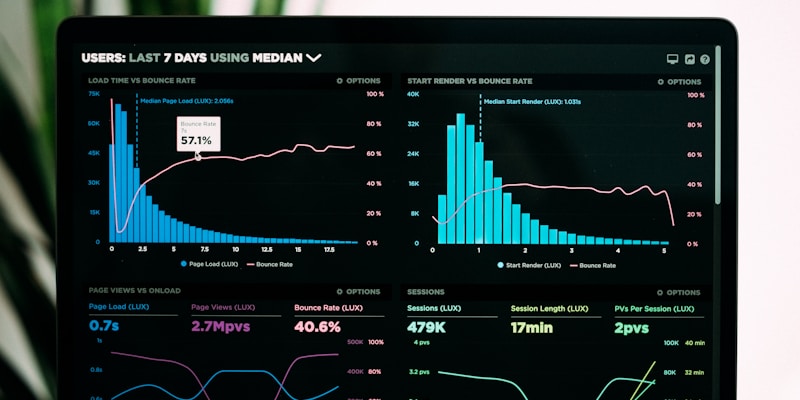
Text was just the beginning. The real transformation happens when AI bridges mediums seamlessly. Imagine drafting an article, automatically generating complementary data visualizations, producing a voiceover for the podcast version, and extracting key frames for a social media clip—all from a single source document.
Here's a simple example of how modern APIs are being integrated into creative workflows:
const content = await ai.generate({
  prompt: "Expand this outline into a compelling introduction",
  tone: "professional yet conversational",
  length: "3 paragraphs",
  style_guide: "brand_voice_v2.json"
});

// Output is automatically checked for plagiarism,
// readability score, and SEO optimization
The Quality vs. Quantity Dilemma
With the barrier to entry lowered, the internet is experiencing an unprecedented surge in content volume. This has led to a critical shift: quality is now the only sustainable differentiator. Algorithms are increasingly sophisticated at detecting hollow, AI-spun articles. They reward depth, originality, and genuine human insight.
The most successful creators aren't those who use AI the most—they're those who use it most strategically. They treat AI as a force multiplier for their unique perspective, not a replacement for it.
Looking Ahead
As we move deeper into 2025, we'll see AI tools becoming more contextual, more integrated, and more respectful of creator sovereignty. The future belongs to those who learn to dance with the machine while keeping their human compass firmly in hand.
Jane Doe
2 hours agoIncredible breakdown of the new workflow. I've been experimenting with the multimodal pipeline you mentioned, and it's genuinely changing how my team approaches content strategy.
Mark Rivera
5 hours agoThe point about quality being the only differentiator is spot on. We're already seeing search engines penalize purely AI-generated farms. Human insight will always win.