I. Geopolitical Realignment
The diplomatic landscape continues to fracture and reform along new economic fault lines. Recent multilateral summits have revealed a departure from traditional bloc alignments, with emerging economies forging independent trade corridors that bypass legacy financial systems. This isn't merely a shift in rhetoric—it's a structural recalibration of global power.
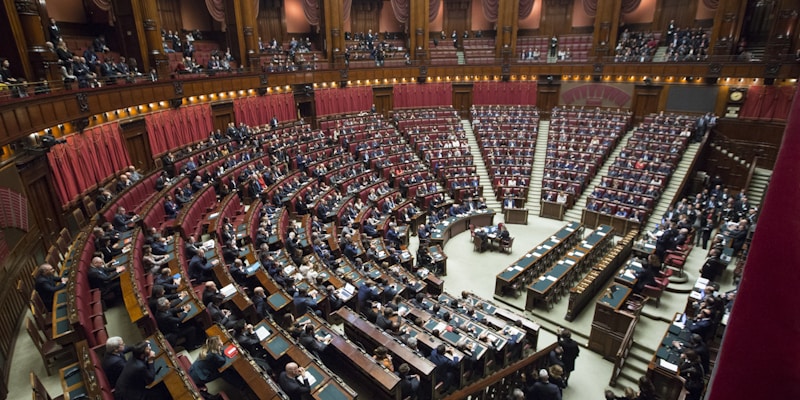
At the heart of this transformation is the push for strategic autonomy. Nations that once relied on singular economic partnerships are now diversifying supply chains, securing rare earth minerals through bilateral agreements, and establishing regional digital currency frameworks. The result is a more resilient, albeit fragmented, global order.
II. Market Volatility & Stabilization
Financial markets have entered a period of calibrated turbulence. Central banks are walking a tightrope between inflation control and growth preservation, leading to mixed signals that have traders navigating with heightened caution.
"Markets are no longer pricing in perfection—they're pricing in adaptation. The era of cheap, endless expansion has given way to disciplined, structural growth."
Institutional investors are increasingly allocating capital toward defensive sectors, sustainable infrastructure, and digital asset hedging. The traditional 60/40 portfolio model is being stress-tested, giving rise to factor-based and climate-adjusted investment strategies.
III. The AI Infrastructure Rush
While algorithms capture headlines, the real story is happening in server farms, chip foundries, and energy grids. The race to build sovereign AI infrastructure is accelerating, with governments and private conglomerates committing hundreds of billions to next-generation compute networks.
Three key developments define this quarter:
- Chip Sovereignty Acts — Multiple nations fast-tracking domestic semiconductor legislation
- Green Compute Mandates — Data centers required to meet 40% renewable energy thresholds by 2026
- Open-Source Ecosystem Expansion — Enterprise adoption of non-proprietary models surges 300% YoY
The implications extend beyond technology. Energy policy, labor markets, and international trade agreements are now being drafted with AI infrastructure as a baseline consideration.
IV. Editor's Analysis
What ties these threads together is interdependence without centralization. The old model of hierarchical global governance is yielding to networked, multi-polar systems. Success in this environment won't come from dominance, but from agility, transparency, and strategic partnership.
For readers and decision-makers, the takeaway is clear: monitor the infrastructure plays, not just the policy headlines. The future is being built in boardrooms, fabs, and diplomatic backchannels simultaneously.
V. What to Watch Next Week
Our intelligence desk has identified three critical inflection points heading into the new week:
- Central bank coordination statements on liquidity facilities
- Phase II semiconductor export compliance rulings
- Climate adaptation fund allocations at the G20 working group
We'll be deploying correspondents to cover each in real-time. Dispatch Edition 043 drops Monday.