Why Lithium Refining Bottlenecks Are Slowing EV Adoption
New capacity comes online slower than projected as environmental reviews and export controls reshape the processing landscape.
From lithium powering electric vehicles to rare earths enabling defense systems, the race for Earth's most strategic resources is reshaping geopolitics, supply chains, and the global energy transition.
The modern world runs on more than just energy—it runs on materials. Critical minerals are the foundational elements required for clean energy technologies, advanced electronics, defense infrastructure, and next-generation manufacturing. As nations pivot away from fossil fuels and race toward artificial intelligence, the demand for these finite resources has outpaced sustainable supply.
Aevum News tracks the intersection of geology, economics, and statecraft. Our reporting follows mining licenses in the Congo, refining capacity in Southeast Asia, recycling breakthroughs in Europe, and legislative frameworks in North America. We examine how mineral dependency creates geopolitical leverage, how ESG standards are evolving, and why the next decade of industrial policy will be defined not by oil, but by ore.
Through data-driven analysis and on-the-ground correspondence, we provide stakeholders—from policymakers to investors—with the context needed to navigate an increasingly resource-constrained world.
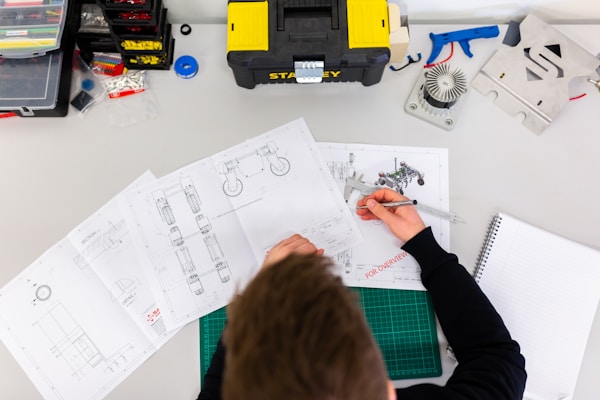
New capacity comes online slower than projected as environmental reviews and export controls reshape the processing landscape.

Mid-tier nations leverage strategic reserves to negotiate technology transfer deals and infrastructure investment.
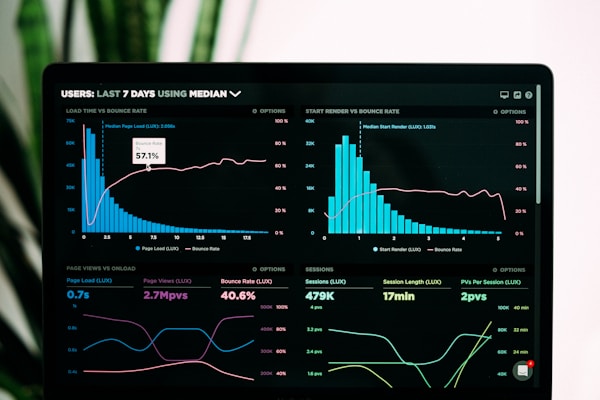
Next-gen cell chemistry could cut critical mineral demand by up to 40%, but manufacturing hurdles remain.

Analysis of extraction targets, permitting reforms, and the bloc's progress toward strategic autonomy.
"The narrative around critical minerals has shifted from scarcity to strategic competition. It's no longer just about finding deposits—it's about securing processing capacity, building resilient logistics, and navigating the regulatory crossfire. The nations that master mineral diplomacy will dictate the rules of the post-carbon economy."