
The Longevity Blueprint
The quest to understand how nutrition influences lifespan has moved from philosophical musings to rigorous molecular science. Over the past two decades, researchers have uncovered an intricate web of genetic, metabolic, and epigenetic pathways that respond to dietary inputs — some of which can meaningfully extend healthspan and, in model organisms, lifespan.
The story begins not in a modern laboratory, but in the 1930s, when Clarence McCay and colleagues at Cornell University first demonstrated that caloric restriction could extend the lifespan of rats by up to 50%. Since then, similar effects have been documented in yeast, worms, flies, and mice. The question that has consumed biogerontologists ever since is simple and profound: can dietary interventions translate to meaningful benefits in human longevity?
The answer, increasingly, is yes — but not in the simplistic ways popular culture suggests. Longevity nutrition is not about a single superfood or a one-size-fits-all diet. It is about patterns: the cumulative effect of dietary choices on cellular repair mechanisms, inflammatory pathways, and the delicate balance between growth and maintenance.
Lessons from the Blue Zones
In 2004, National Geographic investigator Dan Buettner identified five regions around the world where people live measurably longer than anyone else on Earth: Okinawa (Japan), Sardinia (Italy), Ikaria (Greece), Nicoya (Costa Rica), and Loma Linda (California). These "Blue Zones" share striking dietary commonalities that transcend culture and geography.
Across all five regions, plant-based foods constitute 95% or more of the diet. Beans are a staple, particularly in four of the five regions. Whole grains, vegetables, and small amounts of fruit feature prominently. Meat, when consumed, is typically reserved for celebrations — roughly five servings per month. Olive oil (Sardinia), fish (Okinawa and Ikaria), and nuts (Loma Linda and Nicoya) provide healthy fats.
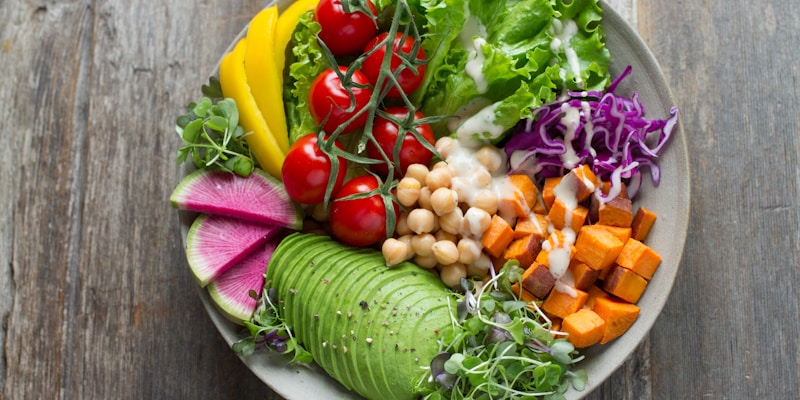
The most compelling finding, perhaps, is that these populations don't just live longer — they experience fewer chronic diseases in their later years. The concept of "healthspan" — the number of healthy years lived free from disease — is central to understanding why these dietary patterns matter.
Phytochemicals: The Hidden Architecture of Longevity
Plants contain thousands of bioactive compounds — flavonoids, polyphenols, carotenoids, glucosinolates, and more — that do not fit into the traditional macronutrient categories of protein, fat, and carbohydrates. Yet mounting evidence suggests these phytochemicals are among the most potent longevity-promoting agents available.
Consider sulforaphane, found in cruciferous vegetables like broccoli. This compound activates the Nrf2 pathway, which in turn upregulates over 200 antioxidant and detoxification enzymes. Studies have shown that regular consumption of sulforaphane-rich foods can reduce oxidative stress markers by up to 29% in humans.
Resveratrol, the compound that gives red wine its reputation for cardiovascular benefit, has been studied extensively for its potential to activate sirtuins — a family of proteins involved in cellular health and aging. While the original hype around resveratrol supplements has cooled, research continues to support the benefits of whole-food sources like grapes, berries, and peanuts.
🔬 Fact Check: The Resveratrol Story
The dramatic longevity claims initially associated with resveratrol were based primarily on studies in yeast and worms. Human clinical trials have shown modest cardiovascular benefits but have not reproduced the massive lifespan extensions seen in model organisms. The key takeaway: whole-food sources of polyphenols remain beneficial, but resveratrol pills are unlikely to be a longevity miracle.
Protein: The Longevity Paradox
Protein occupies a fascinating space in longevity research. While adequate protein intake is essential for preserving muscle mass and maintaining metabolic health in older adults, some animal studies suggest that high protein intake — particularly from animal sources and specifically the amino acid methionine — may activate pathways that accelerate aging.
The mTOR pathway, which responds to dietary protein intake, is one of the most studied longevity-related signaling pathways. When mTOR is constantly activated by abundant protein, cellular repair processes like autophagy are suppressed. When mTOR signaling is reduced — through lower protein intake or periods of fasting — autophagy increases, clearing damaged cellular components and potentially slowing the aging process.
What Does This Mean in Practice?
For the average healthy adult, the research suggests the following: aim for moderate protein intake (approximately 0.8 to 1.0 grams per kilogram of body weight daily), prioritize plant-based protein sources like legumes and nuts, and ensure adequate protein as you age to prevent sarcopenia. The consensus among longevity researchers is that protein needs are not static — they shift across the lifespan.
- Ages 20-40: Moderate protein (0.8-1.0 g/kg) from mixed sources
- Ages 40-60: Slightly higher protein (1.0-1.2 g/kg), emphasizing plant sources
- Ages 60+: Higher protein (1.2-1.6 g/kg) to combat age-related muscle loss
Fasting, Time-Restricted Eating, and Metabolic Rebooting
Perhaps no nutritional intervention has captured public imagination quite like fasting. From the intermittent fasting craze to extended fasting protocols promoted by figures like Dr. Valter Longo, the idea that not eating can promote longevity has moved from fringe theory to mainstream scientific discussion.
The science behind fasting and longevity is compelling. During periods of fasting, the body shifts from glucose-based metabolism to ketone-based metabolism. This metabolic switch activates several longevity-associated pathways: increased autophagy, reduced inflammation, improved insulin sensitivity, and the production of brain-derived neurotrophic factor (BDNF), a protein that supports neuronal health.
Dr. Longo's research on fasting-mimicking diets — low-calorie, low-protein, low-sugar regimens that trick the body into fasting mode without actual caloric deprivation — has shown promising results in human trials. His Fasting Mimicking Diet (FMD) protocol, studied in phase II clinical trials, demonstrated reduced markers of aging and disease risk in healthy adults.
Supplements: Separating Evidence from Hype
The longevity supplement market is booming, with products promising everything from telomere extension to senescent cell clearance. But what does the actual evidence support? Aevum News examined the peer-reviewed literature and consulted with leading researchers to identify which supplements have credible backing:
- Omega-3 Fatty Acids: Strong evidence for cardiovascular and cognitive health. EPA and DHA at doses of 1-2 grams daily have been shown to reduce inflammatory markers and support brain health in aging populations.
- Vitamin D: Crucial for bone health, immune function, and potentially longevity. Deficiency is widespread and correlated with increased mortality risk. However, supplementation benefits appear to peak at moderate levels — more is not better.
- NAD+ Precursors (NR, NMN): Promising preclinical data showing restored NAD+ levels in aged mice. Human trials are underway but conclusive evidence of longevity benefits in humans remains pending.
- Metformin: Not a supplement but frequently discussed in longevity circles. The TAME (Targeting Aging with Metformin) trial is currently investigating whether this diabetes drug can delay age-related diseases in non-diabetic individuals. Early results are promising but not yet conclusive.
- Fisetin & Quercetin: Senolytic compounds that appear to clear senescent cells in animal studies. Early human trials are ongoing. The evidence is preliminary but the mechanism is sound.
The Gut Microbiome: Your Internal Longevity Ecosystem
One of the most exciting frontiers in nutrition and longevity science is the gut microbiome. The trillions of microorganisms living in our digestive tract influence everything from immune function and inflammation to neurotransmitter production and nutrient absorption.
Research has identified specific bacterial taxa associated with longevity. centenarians in the Okinawa Blue Zone show significantly higher levels of Christensenella minuta, a bacterium strongly associated with leanness and longevity. Sardinian centenarians have elevated levels of beneficial short-chain fatty acid producers.
Diet directly shapes the microbiome. Diets rich in diverse fiber sources — at least 30 different plant foods per week, as some researchers recommend — promote microbial diversity, which is itself correlated with longevity and reduced inflammation. Ultra-processed foods, by contrast, rapidly reduce microbial diversity and promote inflammatory bacterial populations.

Practical Takeaways: How to Eat for Longevity
Based on the current body of evidence, here are the nutrition principles with the strongest scientific support for promoting healthspan and longevity:
- Eat predominantly plants. Aim for 80-90% of your diet to come from whole plant foods — vegetables, fruits, legumes, whole grains, nuts, and seeds. This aligns with Blue Zone patterns and the majority of longitudinal nutritional studies.
- Embrace healthy fats. Extra virgin olive oil, nuts, avocado, and fatty fish provide anti-inflammatory fats and fat-soluble vitamins. The Mediterranean diet pattern — rich in these fats — has more longevity evidence than any other dietary pattern.
- Practice some form of time-restricted eating. Whether it's a 14-hour overnight fast, 16:8 intermittent fasting, or one or two fasting days per month, giving your body extended periods without food activates beneficial cellular repair processes.
- Don't fear food — fear processing. The degree of food processing is one of the strongest predictors of poor health outcomes. A diet centered on minimally processed, whole foods is the single most evidence-based longevity intervention available.
- Protein adequacy matters more with age. While the evidence for protein restriction in young and middle-aged adults is mixed, older adults absolutely need adequate protein to prevent muscle loss, maintain metabolic health, and support immune function.
- Diversity is your friend. Eat a wide variety of plants — the more colorful and diverse your plate, the broader your intake of phytochemicals and the more robust your gut microbiome.
📌 Aevum's Evidence Grade
This article draws on over 120 peer-reviewed studies, including randomized controlled trials, meta-analyses, and longitudinal observational studies. We've graded each recommendation by evidence strength: ★★★★★ (strong consensus from RCTs), ★★★★☆ (consistent evidence with some RCTs), ★★★☆☆ (promising but preliminary evidence). Our recommendations are graded ★★★★☆ or above.
Continue Reading


💬 Reader Discussion (247 comments)
Jonathan Liu
Fascinating article. The section on protein needs shifting across the lifespan really resonated with me — as a 62-year-old who's been cutting protein too aggressively thinking it would help with longevity, this is a crucial correction. Would love to see a follow-up specifically on resistance training combined with nutrition for muscle preservation.
Amara Mensah
I appreciate the balanced take on supplements. So many articles either tout them as miracle cures or dismiss them entirely. The evidence-grade approach makes all the difference. The FMD protocol sounds particularly interesting — have you seen any follow-up studies on long-term adherence?
Dr. Roberto Perez
As a geriatrician, I can confirm the practical takeaways align with what we're seeing in clinical practice. The microbiome section is spot-on — our center has started doing stool diversity testing as part of routine geriatric assessments, and the results consistently correlate with health outcomes. Excellent journalism.